Record low snow in Colorado has left the state’s remaining glaciers increasingly vulnerable to summer heat, with new research revealing major ice losses in 2026. Scientists say the combination of poor winter snowfall and unusually warm conditions is accelerating a long-term decline that could reshape high-mountain ecosystems and reduce a natural buffer against drought.
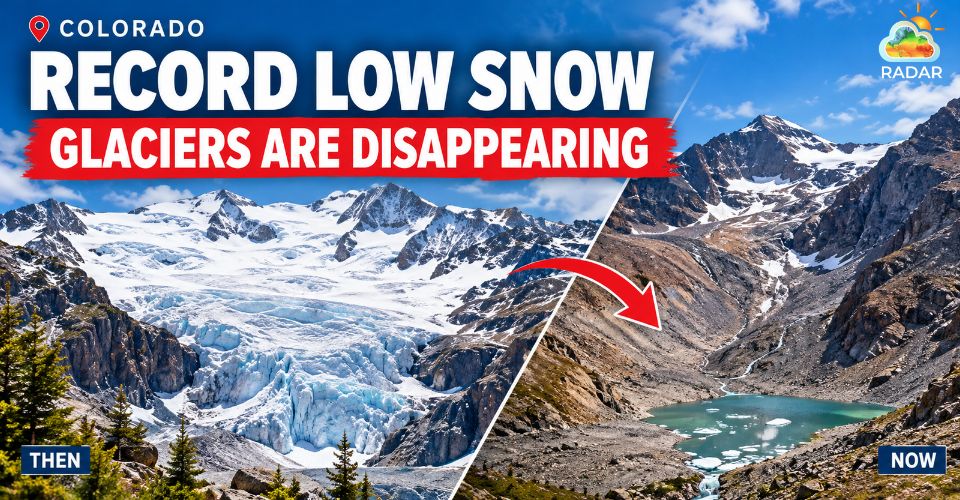
Record low snow in Colorado threatens glacier loss
How Record Low Snow in Colorado Is Driving Glacier Loss
Colorado’s glaciers experienced dramatic thinning in 2026 after a record-low winter snowpack and a summer of record warmth exposed their ice to prolonged melting, according to research by Dan McGrath, a glaciologist at Colorado State University.
Measurements show that Andrews Glacier lost more than 12 feet (3.7 meters) of thickness during the year.
Arapaho Glacier lost nearly 10 feet (3 meters), while Isabelle Glacier became about 6.5 feet (2 meters) thinner.
Their losses were approximately twice the average rate recorded over the preceding five years.
The changes were especially visible at St. Mary’s Glacier, a popular mountain destination where visitors have traditionally found snow throughout the year.
The perennial snowfield disappeared completely in September 2026.
Seasonal snow normally acts as a protective cover, reflecting sunlight and shielding glacier ice from warm air. When that cover disappears early, darker ice absorbs more solar energy and melts faster.
Colorado’s exceptionally warm conditions compounded the effects of limited snowfall.
Travelers heading into the Rocky Mountains should prepare for changing mountain conditions.
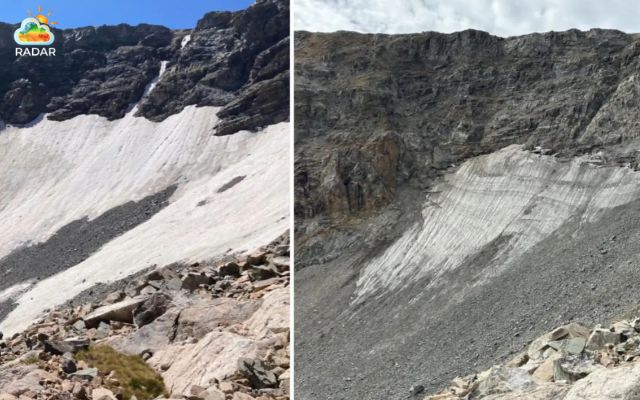
Colorado records its worst snowpack year (Photo: Santa Cruz Sentinel)
Check snow cover on Radar Maps before outdoor trips, but remember that radar observations cannot measure glacier thickness or predict long-term ice loss.
How Shrinking Glaciers Could Affect Western Water Resources
Although Colorado’s glaciers contain far less water than its seasonal snowpack, they serve an important role in high-elevation watersheds.
Their meltwater supports mountain habitats and downstream ecosystems, particularly during periods when seasonal snow has already disappeared.
As these ice reserves decline, some areas could lose part of their natural water buffer during extended dry spells.
The concern comes alongside Colorado’s wider snowpack shortage, which can affect spring runoff and water availability across the western United States.
The problem extends beyond Colorado.
Research has documented widespread glacier retreat across mountain ranges worldwide as rising temperatures increase melting and snowfall becomes less reliable.
Deposits of wildfire soot and dust can darken glacier surfaces, allowing them to absorb more sunlight and lose ice more quickly.
The loss of ice may also alter mountain landscapes and increase certain environmental risks.
However, the precise effects on water supplies will vary by watershed and depend on factors including seasonal precipitation, temperatures and demand for water downstream.
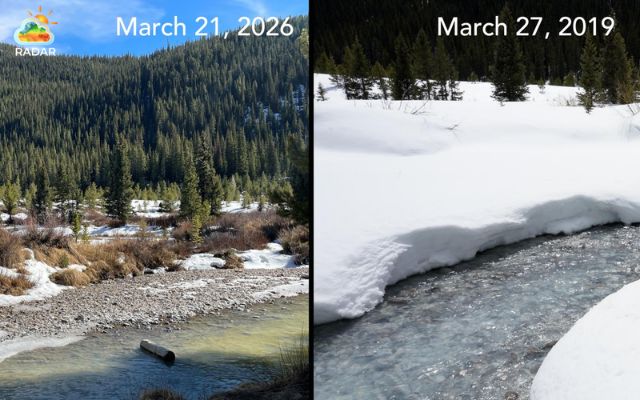
Water supply shrinks due to Loss of glacier ice (Photo: Denver Water)
The future of Colorado’s remaining glaciers looks increasingly uncertain as temperatures rise and snowfall declines.
According to Dan McGrath, some glaciers could disappear within two decades if current trends persist.
Andrews Glacier has already lost roughly half its ice since 2017, underscoring the speed of the changes.
Even if colder conditions return, rebuilding substantial glacier ice could take hundreds of years.
Continued monitoring of snowpack and temperatures will be essential to understanding how these changes affect Colorado’s mountain ecosystems and water resources.
References
-
AP News
-
ABC News


0 Comments
Leave a Comment
Your email address will not be published. Required fields are marked *