New York Declares State of Emergency Ahead of Powerful Thanksgiving Coastal Storm
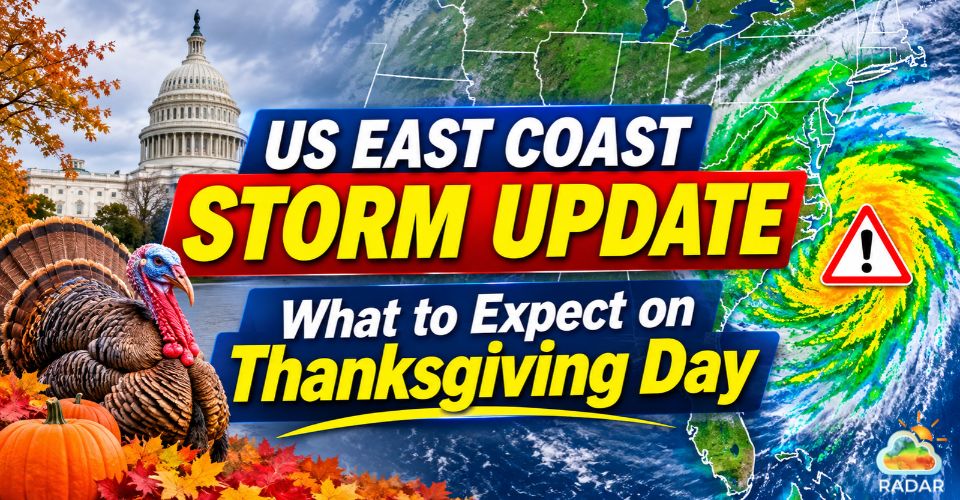
New York declares state of emergency as a powerful coastal storm sweeps across the region, bringing heavy rain, strong winds, and flooding during the Thanksgiving holiday. The severe weather has disrupted transportation, caused property damage, and forced the cancellation of the city's historic parade. Here's what residents should expect next.
New York declares state of emergency
New York Declares State of Emergency Amid Thanksgiving Storm Threat
Governor Kathy Hochul declared a State of Emergency on November 25 as a powerful coastal system approached New York ahead of Thanksgiving.
The measure covers all five boroughs of New York City, Nassau and Suffolk counties, Westchester County, and surrounding areas.
The decision followed warnings of potentially damaging winds, widespread rainfall, and rising coastal water levels.
These conditions threatened transportation networks, electricity infrastructure, and flood-prone neighborhoods during one of the busiest holiday travel periods.
State agencies were placed on standby to coordinate emergency operations.
Statewide, approximately 5,780 utility workers were made available to assess damage, repair power lines, and restore electricity after outages.
Local authorities also activated response plans to address fallen trees, flooded streets, and transportation problems.
Residents were encouraged to monitor official alerts and reconsider nonessential travel during periods of severe weather.
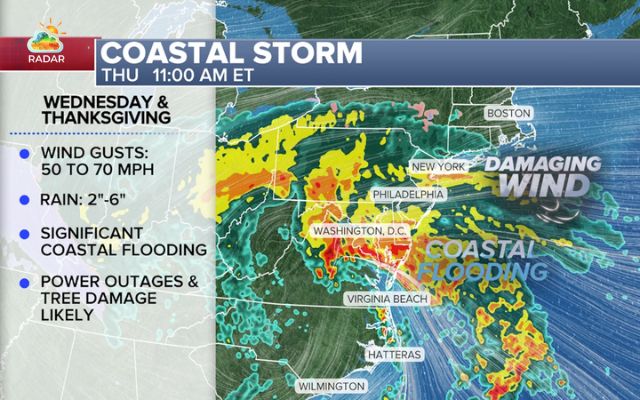
A powerful coastal system approached New York (Photo: ABC News)
Thanksgiving Storm Causes Flooding and Travel Problems
The coastal storm intensified on November 26, bringing its heaviest rain and strongest winds to the New York metropolitan area.
The National Weather Service had forecast easterly winds of 25–35 mph, with gusts reaching 60 mph across NYC and Long Island. Rainfall estimates ranged from 1–2 inches, with isolated totals approaching 3 inches.
Coastal communities faced added flood risk as strong onshore winds pushed water toward vulnerable shorelines.
Low-lying areas around Long Island's South Shore and Western Great South Bay were among the locations of greatest concern.
The storm produced significant impacts across New York City. According to CBS News, the city received approximately 1.5–2 inches of rain on Thanksgiving, with some locations recording up to 3 inches.
LaGuardia Airport also reported wind gusts reaching 56 mph, while coastal flooding affected parts of Staten Island and Long Island.
Track live precipitation and wind patterns over New York City with RadarMap to follow changing storm conditions.
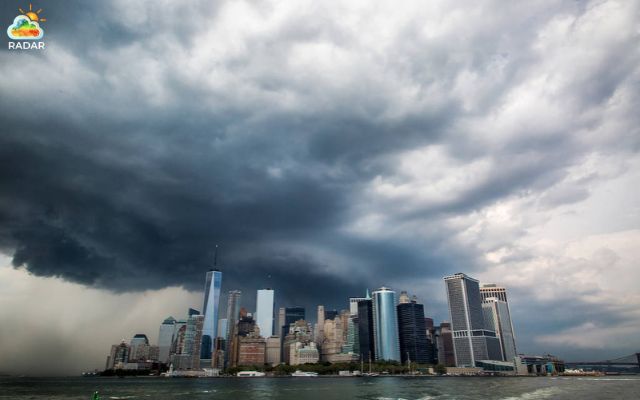
Coastal storm could bring heaviest rain and strongest winds to the New York metropolitan area
The storm also changed one of New York's biggest Thanksgiving traditions.
Organizers postponed the 100th Macy's Thanksgiving Day Parade from November 26 to Saturday, November 28.
Continue reading: Macy's Thanksgiving Day Parade delay
This historic schedule change affected performers, visitors, and travelers who had planned their holiday around the celebration.
Transportation was another major concern. Strong crosswinds created hazardous conditions for high-profile vehicles, while flooded roads increased the risk of delays.
More than 2,000 flights to or from U.S. destinations were delayed on Thanksgiving, according to FlightAware data cited by CBS News.
New York City Mayor Zohran Mamdani urged residents to avoid flooded streets and unnecessary trips during the worst conditions.
Officials also reminded travelers to check flight and public transportation updates before leaving home.
|
New York Storm Safety Tips Residents should take these precautions during and after severe weather:
For immediate emergencies, call 911. |
References
-
Governor Kathy Hochul
-
Rus Tourism News
-
FOX29
-
Hindustan Times



0 Comments
Leave a Comment
Your email address will not be published. Required fields are marked *